Expert Advice on Keeping Cut Flowers Vibrant
Posted on 26/06/2025
There's nothing quite like the beauty and joy fresh cut flowers bring to your home or event space. However, watching them wilt all too soon can be disheartening. Whether you've picked a seasonal bouquet from your garden, received a gorgeous arrangement as a gift, or selected stunning stems from a florist, you want to enjoy their beauty for as long as possible. In this comprehensive guide, we reveal professional secrets and science-backed tips for keeping cut flowers vibrant so you can make the most of every petal and blossom.
Why Do Cut Flowers Wilt?
To understand how best to maintain the vibrancy of cut flowers, it's crucial to know why they wilt in the first place. Once flowers are cut from their plant, they lose their main supply of water and essential nutrients. This makes them susceptible to:
- Bacterial growth in water
- Blockages in the stem's vascular system
- Loss of water through evaporation
- Exposure to ethylene gas (which speeds up aging)
- Improper environmental conditions (heat, light, drafts)
The good news is, with smart care and a few expert-approved steps, you can minimize these effects and preserve your cut flowers' vibrancy for much longer.
Step-by-Step: How to Keep Cut Flowers Fresh and Vibrant
1. Start With the Freshest Flowers Possible
Expert tip: The secret to a long-lasting bouquet is to choose the freshest flowers from the start. Here's what to look for:
- Firm, upright stems
- Healthy, vibrant leaves (no yellowing or wilting)
- Tight or just opening buds (these last longer than fully bloomed flowers)
If you're cutting from your own garden, snip your flowers early in the morning or late in the evening when stems are filled with water. Always use sharp, clean scissors or shears.
2. Properly Prepare the Stems
Within minutes of being cut, flower stems seal up--which can prevent water absorption. To keep your cut flowers looking vibrant, follow these expert techniques:
- Cut stems at a 45-degree angle: This exposes more surface area for water uptake and prevents stems from sitting flat on the vase bottom and getting blocked.
- Remove foliage: Any leaves that will be below the waterline should be removed to prevent rot and bacterial growth.
- Re-cut stems every 2-3 days: Stems can become blocked over time. Giving them a fresh snip under running water can restore water uptake.
3. Clean Water Is Essential
The single most important factor in preserving cut flower vibrancy is keeping their water fresh. Here's how:
- Change the water every day or every other day. Bacteria multiplies fast!
- Use lukewarm water, which most flowers absorb more readily than cold water.
- Wash the vase thoroughly before refilling to remove any residue.
4. Feed Your Cut Flowers
Professional florists know the importance of flower food. Commercial flower food sachets provide sugar (for nourishment), acidifiers (to lower pH), and biocides (to fight bacteria). If you don't have a packet, try this homemade substitute:
- 1 teaspoon sugar
- 1 teaspoon bleach or white vinegar
- 2 teaspoons lemon or lime juice
- 1 quart of lukewarm water
Mix and add to your vase water for impressive results in keeping cut flowers bright and beautiful!
5. Avoid Common Flower Enemies
Several factors can cut short your bouquet's lifespan. For vibrant cut flower arrangements, be sure to:
- Keep flowers out of direct sun and away from heat sources (radiators, appliances, or open windows).
- Reduce exposure to drafts or air conditioning, which dehydrates blooms.
- Avoid placing fruit near your flowers. Ripening fruit releases ethylene gas, which accelerates wilting.
- Don't overcrowd stems in the vase; space allows good airflow and reduces the risk of mold.
6. Special Care for Specific Flower Types
Some cut flowers have unique needs. Here's how to care for a few popular varieties:
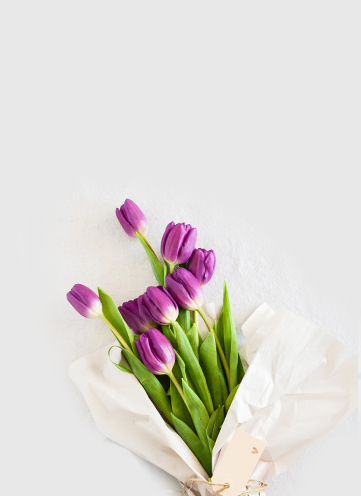
- Tulips: Grow towards light and continue to elongate after cutting. Keep tulips in cool, shaded spots away from fruit.
- Roses: Re-cut stems under warm water and strip thorns/leaves below the waterline. Remove drooping petals (the "guard petals") to encourage openness.
- Hydrangeas: These thirsty flowers benefit from submerging the entire stem (and even head) in water for 30 minutes to rehydrate.
- Daffodils: Release a sap toxic to other flowers. Display separately for the first 24 hours after cutting before mixing with other flowers.
Advanced Tips: Professional Tricks for Longevity
Use Clean, Sterilized Tools and Containers
Bacteria and fungi are the top enemies of vibrant cut flowers. Sterilize your shears with rubbing alcohol and wash vases thoroughly between uses to prevent infections from spreading.
Additives and Unusual Flower Food Options
Floristry experts often swear by a few curious additives to prolong floral freshness. Some popular options include:
- Clear soda (like Sprite): The sugar feeds flowers while citric acid balances vase water pH.
- Aspirin: Add a crushed, uncoated tablet per quart to help keep water clear.
- Penny or copper coin: Acts as a mild fungicide (best with acid-loving flowers).
Condition Your Flowers
"Conditioning" is an essential practice in the professional floral industry. Here's how:
- Immediately after cutting, submerge stems in water up to the heads for several hours (or overnight) in a cool, dark area. This allows deep hydration.
- If petals appear limp, mist with clean water or store bouquets in the fridge for a brief period (but avoid freezing!).
- Use a floral preservative whenever possible for maximum cut flower vibrancy preservation.
Remove Fading Flowers Promptly
Wilted blooms leach bacteria and ethylene gas, which causes neighboring flowers to deteriorate more quickly. Regularly remove faded or dying flowers from your vase to maintain freshness.
Key Flower Longevity Myths Debunked
- Myth: "Sugar alone extends vase life." Sugar is only part of what flowers need; without acidifiers and biocides, bacteria will flourish and shorten lifespan.
- Myth: "Aspirin works for all flowers." Aspirin can help, but works best as part of a balanced formula. Some delicate flowers prefer no additives.
- Myth: "Ice water keeps flowers fresh." Most flowers absorb lukewarm water more readily, except a few like tulips.
- Myth: "Flowers last longer in full sun." Direct sunlight hastens water loss and wilting.
DIY Flower Arranging to Maximize Vibrancy
Follow These Arranging Principles:
- Always start with a clean vase and use fresh, filtered water.
- Cut stems to staggered lengths so air and water circulate more easily.
- Don't overcrowd stems, which promotes airflow and slows bacterial growth.
- Choose a vase size that supports flowers while allowing space between stems.
- For large arrangements, consider floral foam soaked in a preserving solution.
Seasonal and Local Considerations
Choosing flowers that are grown locally and are in season will not only ensure longer-lasting blooms, but also support sustainable floristry. Seasonal flowers are usually fresher and hardier -- a key component in keeping cut flowers vibrant over time.
Tips for Selecting the Best Flowers Per Season
- Spring: Tulips, daffodils, hyacinths, lilacs
- Summer: Sunflowers, zinnias, dahlias, peonies
- Autumn: Chrysanthemums, asters, marigolds
- Winter: Amaryllis, hellebore, paperwhites
The fresher the flower, the longer it will sparkle in your vase!
FAQs on Keeping Cut Flowers Vibrant
- Q: How often should I change the water in my vase?
A: For maximum vibrancy, change the water every day or at least every other day. Always clean the vase before refilling. - Q: Do I really need to add flower food?
A: Yes! Flower food (store-bought or homemade) significantly improves the lifespan and color of most blooms. - Q: Can I refrigerate my flowers overnight?
A: Brief refrigeration (away from fruit) can refresh limp flowers but avoid freezing temperatures or extended periods, which can damage petals. - Q: What's the best way to revive wilted flowers?
A: Re-cut stems at a sharp angle under water, soak them in fresh water, and remove any wilted foliage.
Conclusion: Making the Most of Every Bloom
Keeping your cut flowers looking fresh and vibrant isn't difficult, but it does require a little know-how. By starting with fresh blooms, keeping stems and water clean, feeding your flowers, and protecting them from environmental stressors, you'll enjoy their natural beauty for much longer. Don't be afraid to experiment with different flower food formulas or special care tips for your favorite flower types.
With these expert-backed strategies, you'll not only preserve your cut flower arrangements but also elevate the sensory joy they bring to every room. A little daily attention goes a long way in keeping cut flowers vibrant and dazzling from the bud to the last petal drop!
Summary Checklist for Cut Flower Care
- Select the freshest flowers with tight buds and firm foliage
- Re-cut stems at an angle and remove underwater leaves
- Use clean vases and change water regularly
- Add flower food or a homemade preservative blend
- Keep arrangements cool and out of direct sunlight
- Trim and rehydrate stems every few days
- Remove faded blooms promptly
Follow this advice and savor the lush, lively beauty of vibrant cut flowers for days to come!